Moscow will fall for iron balls
This summer I'm launching a new city community in Moscow — Petank Club Moscow, a club for people who like throwing iron balls. Pétanque is a French game where you don't need to be fit, to train, or to buy any gear. I want to bring it into the city, rethink it, and make it the new default for a weekend.

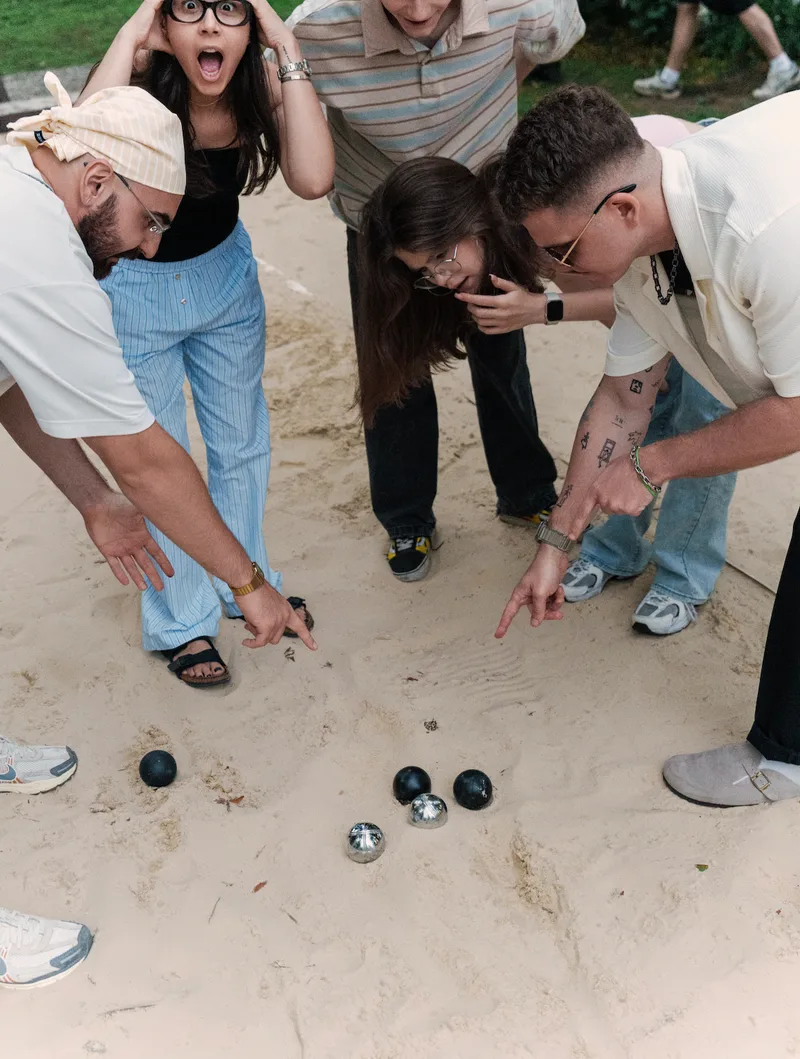
Why pétanque, specifically?
Pétanque is about as simple as a game gets. It comes from early-twentieth-century France: you throw metal balls as close as you can to a small target ball — that's the whole thing. The rules take a minute to explain, you can play in any clothes and whatever shape you're in, and there's no gear to buy. All it asks for is a patch of ground, a set of iron balls, and good company. But the heart of pétanque is the pauses between throws — that's where the slow, warm talk shows up, the whole reason for doing any of this.
What is slow leisure?
Moscow is packed with high-performance sport and with events built to look good in a photo. The city knows how to summon you to speed, results and a picture; it barely knows how to summon you to slow down. Slow leisure is a different thing — a place you come to simply to be together over a very simple act. Sociologists call spaces like this "third places" — alongside home and work, a zone of optional company where the living fabric of a city holds together.
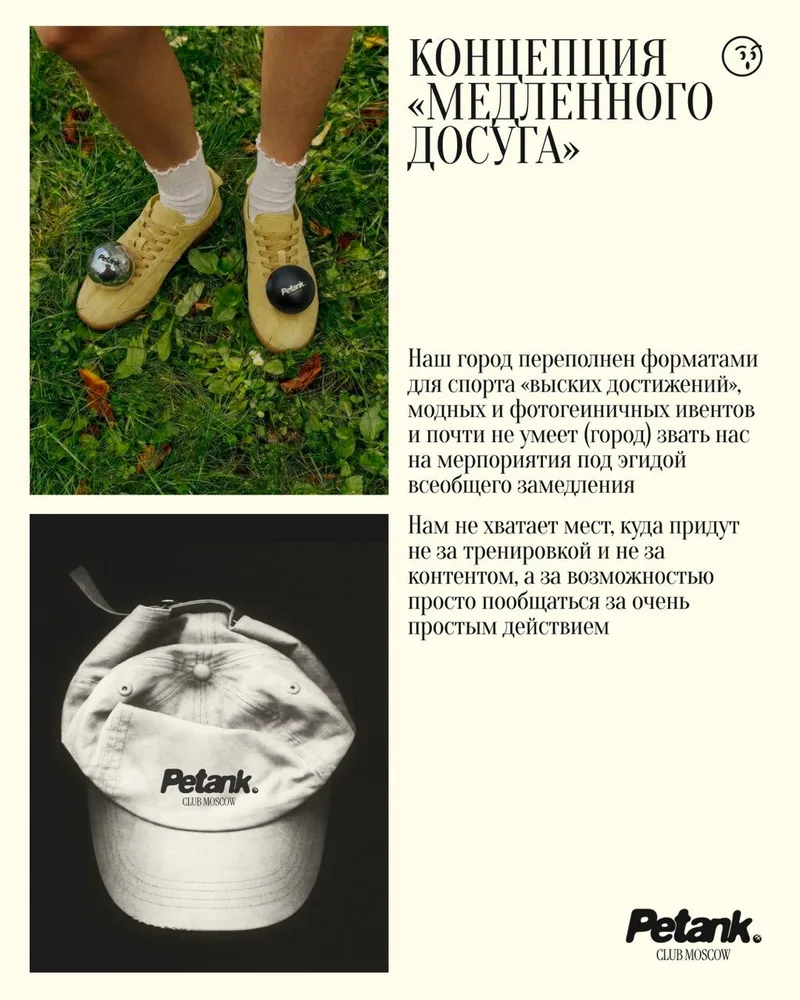
Betting on the city community
The obvious move for a project like this is to lean all the way into "Frenchness" — Provence, Aperol, serif type, jokes about pensioners. Pretty, but it misses the reality of Moscow. To France I leave the origin of the game and a bit of fond irony; the brand itself I steer toward the city community and an English name to land on — Petank Club Moscow. That's the language of a modern city, live and real. The game stops being a costume evening and becomes something of its own — a Moscow weekend ritual.
How does it work, and what holds it up?
There's infrastructure behind the club. I run an agency, rafl.digital, where we build web projects for sports teams and brands on AI and vibecoding. For the pétanque club we put together a Telegram Mini App in 10–12 hours, and the whole life of an event runs through it: before the game, a team registers and pays; during it, a live tournament bracket for the crowd on-site and the followers at home, plus a flash game with a rating to kill a couple of minutes while you wait for your match.
- Weekly game nights in city spaces
- A Telegram Mini App running the whole event infrastructure
- Team registration and payment right inside the app
- A live tournament bracket for the crowd on-site and followers at home
- A flash game with a rating — a time-killer before your own match
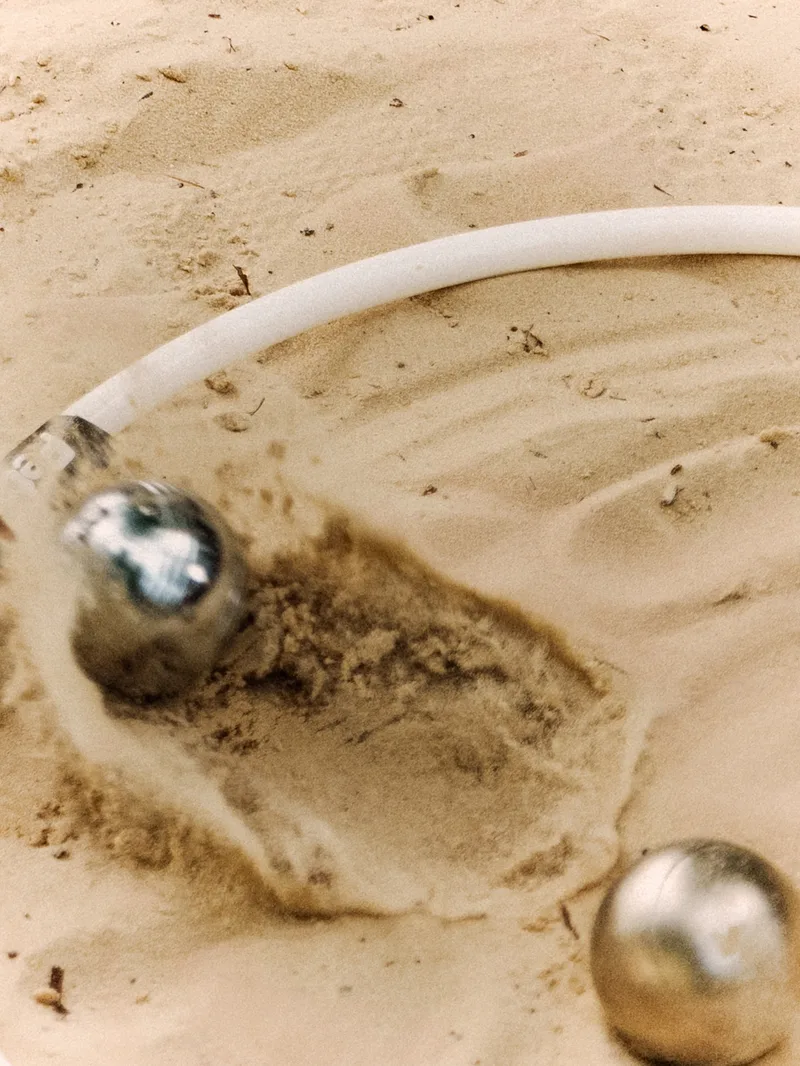
It sounds ambitious, and that's the point. The idea is bigger than one more sports club: to change how the city spends its weekends and make a slow, warm game part of the shared default. Pétanque is perfect for that — a low bar to entry, warm company, a simple act that's easy to gather around again. If you're a venue, a brand, or just a person this speaks to, now is the best moment to step into the story with us.
What is pétanque and how do you play it?
Pétanque is a French game with metal balls: you throw them as close as you can to a small target ball. It appeared in France in the early twentieth century. The bar to entry is minimal — no fitness, training or gear required, and the rules take barely a minute to explain.
Do you need training or equipment to play pétanque?
No. To play you just need a patch of ground, a set of iron balls, and company. Fitness, age and experience don't matter — pétanque is equally open to a first-timer and to someone who's played for years. That's why it gathers such different people so easily.
What is Petank Club Moscow?
It's a new city community by Igor Selenov, built around pétanque — "a club for people who like throwing balls." Weekly game nights run in Moscow spaces, and the whole life of an event rests on its own Telegram Mini App: registration, payment, a live tournament bracket, and a rating.
Enjoyed this piece? Give it a like!
More from the Knowledge garden
Journalist-creator: the new media standard
An independent maker working outside the newsroom, on the platform's own terms — in 2026 audiences trust that person over any brand.
Yandex's golden cage: when big brands act young
What happens when a grown-up company sells itself as a permanent festival — and its brand as an ego. Yandex just makes it the clearest to see.
Belief perseverance: why we believe lies
Belief perseverance is the bias that keeps us believing a claim even after it's debunked. For media, the lesson is blunt — one retraction is never enough.
 Igor Selenov